






Uveoscleral Outflow: How the New AlloFlo Uveo Device Targets Glaucoma Differently
Managing intraocular pressure (IOP) is the cornerstone of glaucoma treatment, yet traditional therapies often hit a plateau. For many Australian patients, the introduction of the AlloFlo Uveo device represents a paradigm shift. By specifically enhancing uveoscleral outflow: how the new AlloFlo Uveo device targets glaucoma differently than conventional drainage implants, surgeons can now access a “secondary” natural drainage pathway with unprecedented precision.
This article explores the physiological importance of the uveoscleral pathway, the engineering behind the AlloFlo Uveo, and why this technology is set to become a benchmark in Australian ophthalmic care.
See more: Signs You May Need Cataract Surgery
Understanding the Fundamentals of Aqueous Humor Dynamics
To appreciate how the AlloFlo Uveo works, one must first understand the two primary “exit ramps” for fluid in the eye.
The Trabecular Meshwork (The Conventional Pathway)
Most traditional glaucoma surgeries, such as trabeculectomies or iStent procedures, focus on the trabecular meshwork. This is the “primary” drain. However, in advanced glaucoma, this tissue is often scarred or resistant to fluid flow.
The Uveoscleral Pathway (The Unconventional Pathway)
The uveoscleral outflow pathway allows aqueous humor to pass through the ciliary muscle and into the suprachoroidal space. Unlike the trabecular route, uveoscleral outflow is largely independent of intraocular pressure, making it a highly reliable target for surgical intervention.
What is the AlloFlo Uveo Device?
The AlloFlo Uveo is a micro-invasive glaucoma surgery (MIGS) implant designed to create a permanent, controlled bridge to the suprachoroidal space. While older “uveal” implants faced issues with fibrosis or inconsistent pressure drops, the AlloFlo Uveo utilizes advanced biocompatible materials to ensure long-term patency.
Key Components of the Device
| Feature | Description |
| Material | High-grade medical silicone or advanced polymers designed for ocular biocompatibility. |
| Lumen Design | Micro-bore diameter calibrated to prevent hypotony (too low pressure). |
| Fixation | Anchoring mechanism to prevent migration within the supraciliary space. |
How the AlloFlo Uveo Device Targets Glaucoma Differently
Most glaucoma devices are “pressure-dependent,” meaning they work better when the eye pressure is already high. The AlloFlo Uveo changes the game by utilizing the pressure-independent nature of the uveoscleral pathway.
1. Bypassing the Resistance of the Trabecular Meshwork
By moving fluid directly into the suprachoroidal space, the AlloFlo Uveo ignores the diseased trabecular meshwork entirely. This is crucial for patients whose primary drainage system has failed due to age or chronic medication use.
2. Utilizing Suprachoroidal Suction
The suprachoroidal space has a lower hydrostatic pressure than the anterior chamber. The AlloFlo Uveo acts as a straw, allowing the natural pressure gradient to “pull” fluid out of the eye continuously, even during sleep.
3. Minimizing Bleb-Related Complications
Unlike traditional “filtering” surgeries that create a visible blister (bleb) on the white of the eye, the AlloFlo Uveo is an “ab-interno” procedure. Everything happens internally, reducing the risk of infections (blebitis) or discomfort often reported by Australian patients in windy or dry climates.
Clinical Benefits and Patient Outcomes in Australia
For the Australian ophthalmology community, the AlloFlo Uveo offers a versatile solution for mild-to-moderate open-angle glaucoma.
- Reduction in Medication Burden: Many patients can reduce or eliminate the need for daily prostaglandin analogues.
- Rapid Recovery: As a MIGS procedure, the “down-time” is significantly less than traditional trabeculectomy.
- Predictable IOP Lowering: Clinical trials indicate a consistent reduction in IOP, often bringing patients into the low teens (mmHg).
- Preservation of Conjunctiva: By avoiding external incisions, the eye remains “pristine” should more invasive surgery be required years down the line.
The Surgical Framework: Step-by-Step Implantation
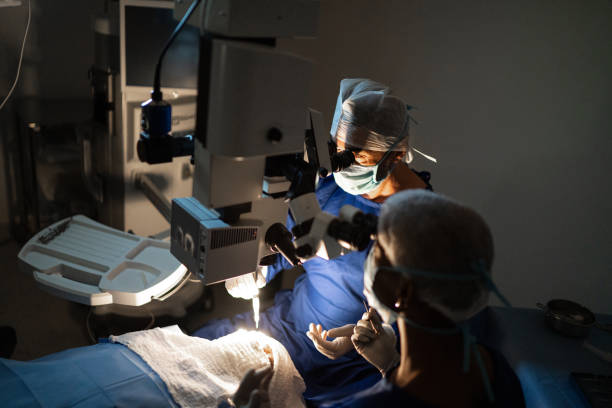
The success of the AlloFlo Uveo is highly dependent on precise anatomical placement. Australian surgeons typically follow this streamlined framework:
- Access: A micro-incision is made in the clear cornea, similar to cataract surgery.
- Visualization: Using a surgical gonioprism, the surgeon identifies the scleral spur and the ciliary body band.
- Insertion: The AlloFlo Uveo inserter enters the anterior chamber and gently displaces the ciliary body to enter the supraciliary space.
- Deployment: The device is released, bridging the anterior chamber and the uveoscleral outflow tract.
- Verification: The surgeon confirms the device is stable and that fluid flow has been established.
Best Practices for Long-Term Success
To ensure the device remains functional for decades, post-operative care is vital:
- Steroid Regimen: Strict adherence to anti-inflammatory drops to prevent early fibrosis around the device tip.
- Gonioscopic Monitoring: Regular check-ups to ensure the device has not moved or become covered by iris tissue.
- IOP Tracking: Maintaining a “pressure diary” in the first six months to establish the patient’s new baseline.
Common Mistakes and Challenges to Avoid
Even with advanced technology, certain pitfalls can hinder the effectiveness of uveoscleral targeting:
- Incorrect Depth: Placing the device too shallow can lead to iris chafing; placing it too deep may cause it to “disappear” into the posterior segment.
- Ignoring Patient Selection: The AlloFlo Uveo is not ideal for patients with angle-closure glaucoma or significant peripheral anterior synechiae (scarring).
- Over-reliance on Surgery: Surgeons must remind patients that while the device reduces pressure, it does not “cure” glaucoma; ongoing monitoring of the optic nerve is still required.
Internal Linking & Semantic Optimization
- Internal Link Suggestion: “The role of MIGS in modern Australian eye care.”
- Internal Link Suggestion: “Comparing suprachoroidal stents vs. subconjunctival bypass.”
- Internal Link Suggestion: “Managing post-operative inflammation in glaucoma surgery.”
FAQ: Frequently Asked Questions
What is the primary difference between AlloFlo Uveo and a traditional stent?
While traditional stents (like the iStent) target the trabecular meshwork, the AlloFlo Uveo targets the uveoscleral pathway, providing an alternative route for fluid that is less dependent on the eye’s primary drainage health.
Is the AlloFlo Uveo procedure covered by Medicare in Australia?
Most MIGS procedures are eligible for Medicare rebates when performed by a qualified ophthalmologist. Patients should consult their specialist regarding specific item numbers and out-of-pocket costs.
Can this device be implanted during cataract surgery?
Yes. It is frequently “bundled” with cataract surgery, allowing patients to address both vision clarity and eye pressure in a single surgical session.
How long does the AlloFlo Uveo last?
The device is made of permanent, non-degradable materials and is designed to last the lifetime of the patient.
Are there risks of the device moving?
The AlloFlo Uveo features specialized anchoring geometry to minimize the risk of migration, though regular annual check-ups are recommended to verify its position.
Conclusion: A New Era for Uveoscleral Outflow
The evolution of glaucoma management has led us to a point where we no longer have to rely on a single, often failing, drainage pathway. By focusing on uveoscleral outflow: how the new AlloFlo Uveo device targets glaucoma differently, medical professionals can offer patients a more physiological and resilient method of IOP control. For Australians suffering from glaucoma, this represents not just a new device, but a renewed hope for preserving long-term vision.
Would you like me to generate a checklist of pre-operative questions you can take to your ophthalmologist regarding the AlloFlo Uveo?
External References
- Refer to the Royal Australian and New Zealand College of Ophthalmologists (RANZCO) for clinical guidelines on MIGS.
- Consult the Journal of Glaucoma for peer-reviewed studies on suprachoroidal drainage efficacy.