

For anyone comparing options, the goal is simple: match the test type to their symptoms and budget, then confirm all out-of-pocket costs in writing before booking.
What type of sleep apnea test are they getting?
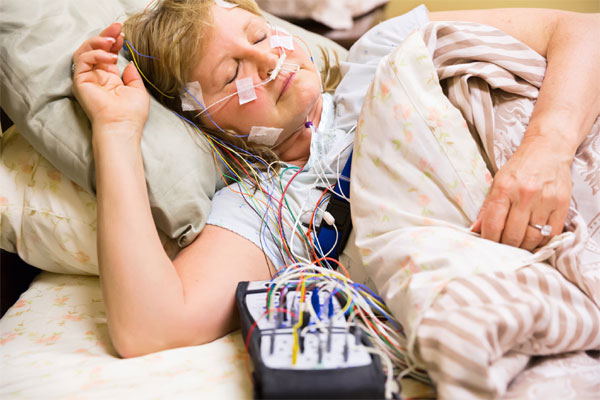
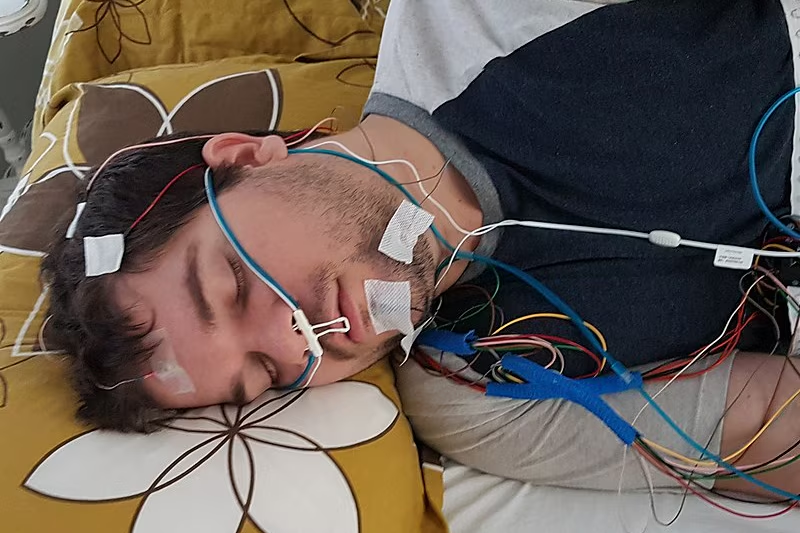
A sleep apnea test Australia varies in cost depending on the test type. In-lab polysomnography (overnight in a sleep clinic) is the most comprehensive and typically the most expensive because it involves technicians, multiple sensors, and supervised monitoring.
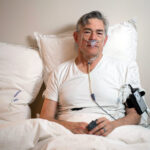
A home sleep apnea test is usually cheaper because it is done at home with a portable device and fewer channels of monitoring. Some people may also be offered simpler screening devices, which can cost less but may be less suitable for complex cases.
Where are they taking the test: at home or in a sleep clinic?
Location changes the provider’s overheads and the level of supervision. In-clinic studies include facility costs, on-site staff, and continuous monitoring through the night, which tends to increase pricing.
Home testing reduces clinic time and avoids overnight staffing, so it is often priced lower. However, costs can still rise if the provider includes delivery, setup support, or repeat testing if the first night’s data is inadequate.
Is the test publicly funded, Medicare-supported, or fully private?
Whether Medicare contributes can significantly change the out-of-pocket amount. If they qualify under Medicare rules and the service is billed appropriately, rebates may reduce the final cost.
If the test is provided privately without Medicare eligibility, or they choose a provider that does not bulk bill, they may pay more. Some services also bundle items in ways that affect what is claimable, so it is important they ask what is and is not covered.
Does their private health insurance cover sleep studies?
Private health insurance can reduce costs, especially for in-hospital or contracted sleep clinic services, but it depends on the policy and waiting periods. Their level of hospital cover, extras inclusions, and the provider’s billing model all matter.
They should ask the insurer whether the sleep study is treated as an inpatient or outpatient service, what the excess is, and whether a preferred provider is required to access better rates.
Who interprets the results, and is a specialist report included?
A sleep study is not just the device and the night of recording. Pricing often reflects whether a qualified sleep physician reviews the data and produces a detailed report with diagnosis severity (like AHI), oxygen trends, and treatment recommendations.
Lower-cost services may provide limited summaries, automated scoring, or add extra fees for specialist sign-off. They should confirm whether the quoted price includes clinical interpretation, not only data capture.
Are consultations included before and after the test?
Some providers bundle consultations into the package, while others charge separately. A pre-test consult can help decide whether a home study is appropriate or if an in-lab test is needed due to comorbidities or complex symptoms.
A post-test appointment may be needed to explain results and discuss next steps such as CPAP trials, oral appliances, or referral pathways. If consults are separate, total costs can rise quickly.
How quickly do they need the results?
Turnaround time can affect pricing. Faster reporting may cost more because it prioritises scoring, specialist review, and appointment availability.
If they are testing due to workplace, driving, or pre-surgery requirements, they might pay for expedited services. They should ask for the standard reporting timeframe and whether rush fees apply.
Is the provider including equipment hire, delivery, and support?
Home sleep tests often involve equipment hire, which may be priced as a package or itemised. Costs can include courier delivery, in-person fitting, phone support, and replacement of faulty sensors.
If they are not confident with setup, providers that offer more hands-on support may charge more. They should also ask what happens if the test fails due to poor signal and whether a repeat night is included. See bulk-billed sleep apnea test eligibility and conditions in Australia.
Do they need additional testing beyond a basic home study?
Not everyone is a good candidate for a basic home sleep apnea test. If they have significant heart or lung disease, suspected central sleep apnea, other sleep disorders, or unclear symptoms, a more complex in-lab study may be recommended.
Sometimes a home test is step one, followed by an in-lab study if results are negative but symptoms persist. That pathway can increase total spend, so they should ask the clinician what scenario would trigger further testing.
Are there extra fees they might not expect?
Hidden or commonly missed costs can include separate GP referral consults, specialist appointments, cancellation fees, and charges for copies of reports. Some providers also add costs for telehealth follow-ups or CPAP readiness letters for employers.
They should request an itemised quote that lists the test, reporting, consults, and any optional add-ons. If Medicare or insurance is involved, they should confirm expected rebates and their likely gap.
FAQs (Frequently Asked Questions)
What factors influence the cost of a sleep apnea test in Australia?
The cost depends on the test location (home or sleep clinic), the type of test used (in-lab polysomnography or home sleep apnea test), whether Medicare or private health insurance contributes, and provider-specific pricing based on staffing, reporting, and result turnaround times.
How does the type of sleep apnea test affect pricing?
In-lab polysomnography is the most comprehensive and typically the most expensive due to technician involvement and multiple sensors. Home sleep apnea tests are usually cheaper as they use portable devices with fewer monitoring channels. Simpler screening devices may cost less but might not suit complex cases.
Does Medicare or private health insurance reduce out-of-pocket costs for sleep apnea tests?
Medicare rebates can significantly reduce costs if eligibility criteria are met and billing is appropriate. Private health insurance may also lower expenses depending on policy coverage, waiting periods, and whether the provider is contracted. It’s important to verify what is covered before booking.
Are consultations included in the price of a sleep apnea test?
Consultations before and after testing may be bundled or charged separately. Pre-test consults help determine the appropriate test type, while post-test appointments explain results and discuss treatment options. Separate consult fees can increase total costs.
What should I know about interpreting sleep study results and reporting fees?
Pricing often reflects whether a qualified sleep physician reviews data and provides a detailed report including diagnosis severity and treatment recommendations. Lower-cost services may offer limited summaries or automated scoring, sometimes with extra fees for specialist interpretation. Confirm what’s included in the quoted price.
Are there additional fees I should be aware of when getting a sleep apnea test?
Extra costs can include equipment hire, delivery, setup support, repeat testing if needed, GP referrals, specialist appointments, cancellation fees, telehealth follow-ups, and reports for employers. Request an itemised quote detailing all potential charges to avoid surprises.